

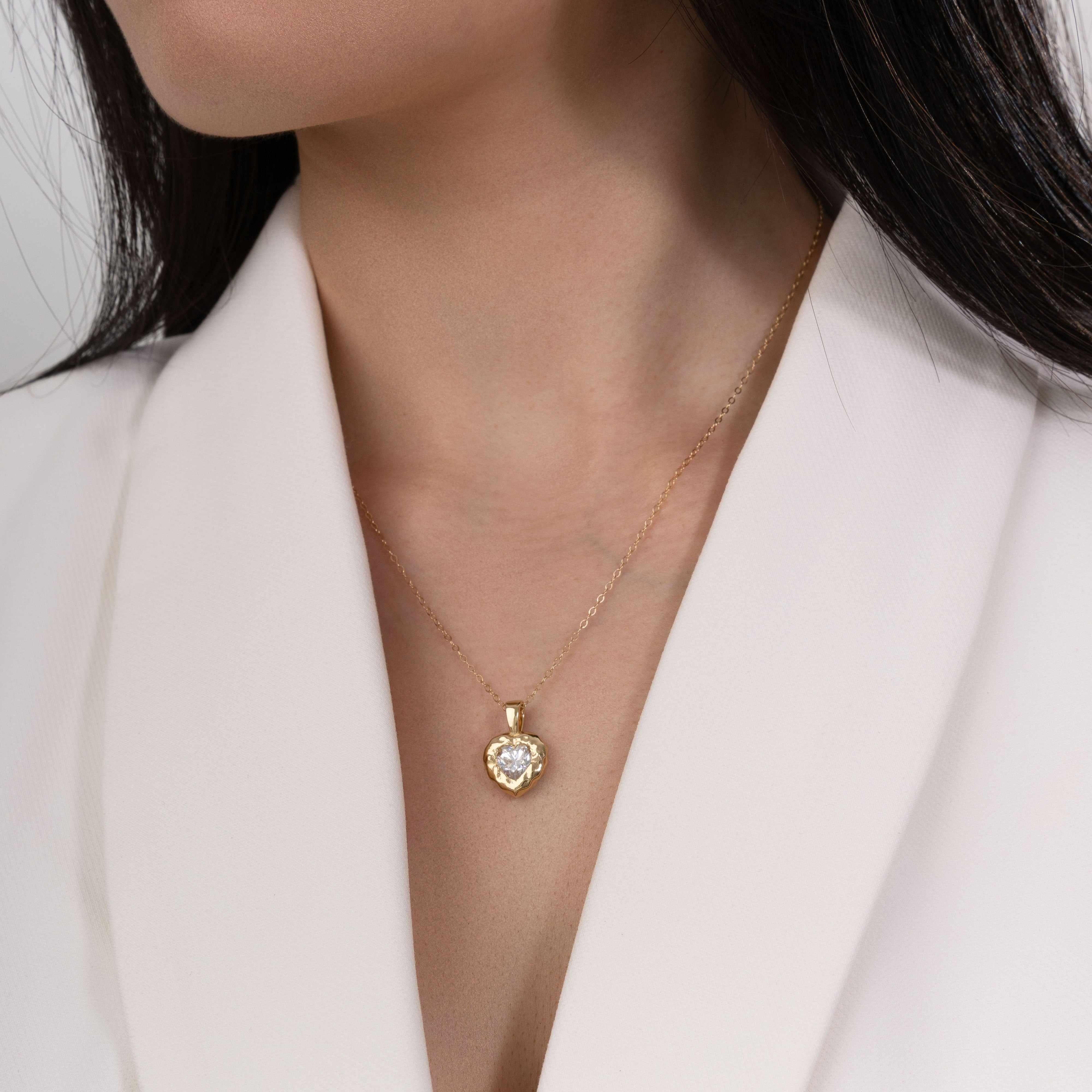
How to Choose the Right Necklace Extender: Materials, Length, and Clasps
Getting the right necklace extension can turn one good necklace into a piece you wear on repeat. The right extender lets you adjust length, layer with other pieces, and make your favorite chain sit perfectly with different necklines. The wrong one can tarnish, snap, or look mismatched next to a necklace you love, which is frustrating and wasteful.
Here in Sydney, winter events like June weddings, EOFY parties, and nights out at Vivid often come with higher necklines, chunky knits, and tailored coats. That is when many people notice a favorite pendant sitting too short or getting lost in fabric. A necklace extension can fix that in seconds, without replacing the piece or buying a new one. In this guide, we will walk through how to choose the right length, materials, and clasps so your extender lasts, looks refined, and works with a modern jewellery capsule.
Find Your Perfect Length Without Replacing Your Necklace
When a necklace feels a bit off, it is usually a length problem, not a style problem. A small extender can:
- Bring a pendant lower so it clears a high neckline
- Let a chain sit over a knit instead of under it
- Help one necklace sit neatly in a layered stack
Extension chains clip into the existing clasp and add extra length at the back. This keeps your original piece, but gives more flexibility for outfits, from turtlenecks and blazers to open shirts and dresses. If you enjoy building a small, versatile jewellery wardrobe, learning how extenders work is a simple way to get more looks from what you already own.
How to Choose the Right Necklace Extension Length
Most necklace extensions sit in two main ranges:
- Short extenders, around 2 to 3 inches, for small adjustments
- Longer extenders, around 4 to 6 inches or more, for big changes
Short extenders are great when a chain is almost right, you just want it to sit a little lower for everyday wear, Zoom calls, or relaxed dinners. Longer extenders help when you want to drop a pendant over a chunky jumper or blazer, or turn a choker-style piece into more of a mid-length necklace.
A simple way to find your ideal drop at home is:
- Put on the necklace that feels too short.
- Stand in front of a mirror with a soft measuring tape.
- Hold the end of the tape at the clasp, then bring the tape down to where you wish the pendant would sit.
- The extra length between the clasp and that point is the extender length you need.
Think about necklines too:
- Crew neck or high-neck: Add more length so the pendant sits clearly below the fabric.
- V-neck: Aim for the pendant to sit just above the point of the V.
- Off-the-shoulder or scoop: You might only need a short extender or none at all.
If you like layering, choose extenders that create clear spaces between pieces, so chains do not tangle. Often, one shorter extender and one longer extender in your main metal will cover most outfits and keep proportions delicate and balanced.
Tarnish-Resistant Materials That Actually Last
The metal of your necklace extension matters as much as the metal of your necklace. Common options include:
- Stainless steel
- Gold-plated brass
- Vermeil
- Sterling silver
- Solid gold
Stainless steel is usually very resistant to tarnish and can be good for everyday wear. Sterling silver can darken over time, but it often polishes back up nicely. Gold-plated brass and vermeil vary depending on thickness and care, and solid gold tends to stay bright longest when treated well.
If you wear a waterproof or everyday-friendly necklace, a low-quality extender can still let you down. The chain may stay bright, but a weaker extender might discolor, flake, or mark the skin. Skin chemistry, perfume, sweat, and even winter factors like dry skin, heavier creams, and wool scarves can all speed up tarnish on softer or poorly coated metals.
To help your extenders last:
- Match metals where you can, for example sterling silver on sterling silver.
- Store extenders separately so they do not tangle in a knot at the bottom of a box.
- Wipe them occasionally with a soft cloth to remove sweat, cream, and perfume.
- Keep them away from harsh chemicals and heavy fragrance.
Clasp Types That Will Not Snap, Twist, or Tangle
The clasp on a necklace extension does a lot of work, so comfort and strength matter. You will often see:
- Spring ring clasps
- Lobster clasps
- Trigger clasps
- Larger easy-grip options
Spring rings are small and can be a bit fiddly, especially with long nails or if you change your necklaces often. Lobster and trigger clasps are usually easier to grip and close, and they tend to feel solid and secure, which helps protect your pendants from dropping.
Pay attention to the connectors too. Extenders use small rings to attach to your necklace:
- Jump rings vs. oval links
- Soldered (closed) vs. unsoldered (slightly open) rings
Soldered or very well closed rings are less likely to pull apart. This is key if you wear heavier pendants, pearls, or moissanite styles that you really do not want to lose. For a polished look, pick extenders with a similar link style and thickness to your chain, so the join looks intentional instead of like a last-minute fix.
Matching Your Extender Style to Your Jewelry Wardrobe
The best necklace extension feels like part of your jewellery, not an add-on. Match the texture and weight to your main pieces:
- Fine cable chains for minimalist chains and small pendants
- Slightly bolder links for statement pieces or moissanite designs
- Smooth, simple links for pearls, so the focus stays on the lustre
As seasons shift from winter to milder days, you can use an extender to make your necklace sit lower over thick jumpers now, then clip to a shorter link when you move back to lighter tops and dresses. This keeps your favorite Mezi pieces in rotation year-round without needing a whole new set of chains.
You can mix metals on purpose, like a gold chain with a subtle silver extender for a two-tone look, but if the goal is a clean finish, it is usually best to match. To keep styling easy, build a small extension kit with:
- One short extender in your most-worn metal
- One longer extender for knits and statement necklines
With just these, most everyday chains and personalised pieces can shift to suit whatever you are wearing.
Smart Shopping Tips for Your Next Necklace Extension
Before you add a necklace extension to your jewellery box, run through a quick mental checklist:
- Metal type, does it match or complement your existing necklaces?
- Length range, does it give enough extra drop for your usual outfits?
- Clasp style, is it secure and easy for you to open and close?
- Link style and thickness, will it blend with your favorite chains?
- Suitability for waterproof or everyday wear, if that is how you like to wear jewellery?
It also helps to take a short look at what you already own. Lay out your pearls, moissanite pieces, personalised necklaces, and go-to chains. Notice which ones always feel a bit too short, or which pendants sit in a strange spot with your favorite tops and blazers. Those are the pieces that will benefit most from a good extender.
Starting with one high-quality extender in your main metal is often enough. Once you see which lengths you reach for most, you can add a second option to fine-tune your layering for events, holidays, and shifts in weather. At Mezi, we love seeing how a small detail like the right necklace extension can help you create more looks from fewer pieces, while keeping your jewellery looking polished, modern, and ready for real life.
Find Your Perfect Necklace Extension With Tarnish-Resistant Styles
Ready to give your favorite necklaces the ideal length without worrying about snapping or discoloration? Explore our handpicked necklace extension options at Mezi to match your chain style, metal, and clasp for everyday wear. If you need help choosing the right piece or want advice on pairing extenders with your current collection, reach out via contact us and we'll guide you. We're here to make sure every necklace sits just right and stays looking new longer.